Source 30-50kwh Electric Vehicle Flatbed Truck for Warehousing, Farming, Construction
Explore 30 listings for the 30-50kwh Electric Vehicle Flatbed Truck suitable for warehousing, farming, and construction. Buyers can compare specifications, prices, and customization options across multiple suppliers to find the right electric flat car for their operational needs.
Key considerations
Products List


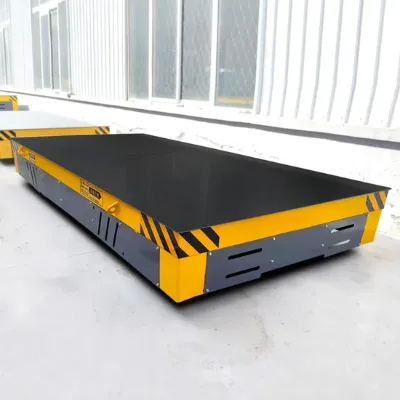


Convenient Practical 4-Wheel Electric Flatbed Truck for Warehouse Hauling
$578.00 - $1178.00
MOQ: 1 Pieces


New Type Environmental New Energy Truck Large Motor Electric Flatbed Truck
$18500.00 - $19000.00
MOQ: 1 Pieces

New Type Environmental High Speed New Energy Mini Flatbed Van Hot Sale Model Electric Mini Truck
$18500.00 - $19000.00
MOQ: 1 Pieces

Versatile 2t Electric Flatbed Truck with Two Seats for Easy Transport
$5800.00 - $6800.00
MOQ: 1 Pieces

Comprehensive Sourcing Guide
30-50kwh Electric Vehicle Flatbed Truck Sourcing Guide
The procurement landscape for electric flatbed trucks reveals a diverse range of industrial solutions, from compact warehouse movers to heavy-duty transport units. While the core search term often implies a specific 50kWh battery capacity, the actual market data indicates a wide spectrum of power configurations, with observed motor powers ranging from 800W to 22kW and battery voltages varying between 48V and 60V. Buyers must recognize that the "50kWh" specification may represent a specific high-capacity segment or a generalized search term, as many listed units operate on lower voltage systems suitable for lighter loads or shorter operational cycles.
Understanding the distinction between these power classes is critical for matching the vehicle to the intended application. The observed product range includes models designed for warehouse and gardening tasks with speeds up to 25km/h, as well as heavier units capable of handling loads up to 150 tons with speeds measured in meters per minute. This variance suggests that a single procurement strategy cannot cover all needs; instead, buyers must evaluate whether their operational requirements demand high-torque, low-speed industrial movers or higher-speed, lighter-duty transport vehicles.
Product Scope and Observed Listing Signals
The product scope for electric flatbed trucks in the current market is defined by a variety of body styles and structural configurations, primarily featuring closed bodies or open platforms. Listings frequently describe these units as "Electric Flat Cars" or "Box Trucks," with wheel materials ranging from polyurethane to rubber, and tire types including pneumatic options. The observed data highlights a significant divergence in load capacity, with some units rated for 800 lbs while others support capacities between 1 and 10 tons, and even up to 150 tons for specialized industrial models.
Buyers should carefully scrutinize the listed dimensions and structural features to ensure compatibility with their specific operational environment. The observed specifications include platform structures with dimensions such as 220*85cm, and features like movability and powder-coated surfaces for durability. The exterior color is often listed as "Contact Us," indicating that customization is a standard expectation rather than a fixed attribute. This flexibility allows procurement teams to align the vehicle's aesthetic and functional design with their corporate branding or site-specific safety color codes.
Technical Specifications to Verify
When evaluating technical specifications, the primary focus must be on the powertrain and battery architecture, as these directly dictate operational range and performance. The observed motor power ranges from 1200W to 22kW, with battery systems varying between 48V20A and 60V20A configurations. It is essential to verify the actual energy capacity in kilowatt-hours against the claimed motor power, as a 50kWh system would typically support a much larger motor and higher load capacity than the 800W or 1200W units currently observed in the lower-end listings.
Verification of the braking and steering systems is equally critical for safety and maneuverability in tight industrial spaces. The market data indicates the prevalence of electromagnetic braking systems and left-hand steering configurations, which are standard for many regions but require confirmation for specific export markets. Additionally, the gearbox is consistently listed as automatic, simplifying operation for drivers, but the maximum speed varies significantly from 5-30m/min for heavy industrial units to 25km/h for lighter transport models. Buyers must ensure the selected speed and braking profile match the safety requirements of their facility.
Compliance and Safety Documentation
Compliance documentation for electric flatbed trucks often includes certifications such as RoHS and CE, which are explicitly mentioned in the product attributes for certain models. These certifications indicate adherence to specific environmental and safety standards regarding hazardous substances and electrical safety, which are vital for importing goods into regulated markets. However, the presence of these certifications on some listings does not guarantee that every unit in the category meets the same standard, necessitating a request for specific test reports or certificates of conformity for the exact model being purchased.
Beyond product-level certifications, management system certifications like ISO14001 are observed in the supply chain, reflecting the supplier's commitment to environmental management. This is particularly relevant for electric vehicles, where the manufacturing process and battery disposal protocols are under increasing scrutiny. Buyers should verify that the supplier's ISO14001 certification is current and covers the specific manufacturing facilities producing the flatbed trucks, ensuring that the environmental claims associated with the "Zero Emission" drive wheel attribute are backed by a robust management system.
Cost Drivers and Commercial Terms
The cost of electric flatbed trucks is heavily influenced by the battery capacity, motor power, and load-bearing capabilities of the unit. The observed price range spans from $508 to $20,000, reflecting the vast difference between a lightweight 220kg warehouse cart and a heavy-duty 10-ton industrial truck. A 50kWh battery system, if available, would likely sit at the higher end of this spectrum due to the raw material costs of lithium-ion cells and the associated power electronics required to manage such a large energy storage unit.
Commercial terms such as Minimum Order Quantity (MOQ) and warranty coverage are also significant factors in the total cost of ownership. The observed MOQ ranges from 1 to 4 units, offering flexibility for small-scale procurement, while warranty periods are typically standardized at 1 year for the vehicle and 5 years for after-sales service. Buyers should clarify whether the extended after-sales service covers battery replacement or only general maintenance, as battery degradation is a primary long-term cost driver for electric fleets. Additionally, packaging methods, ranging from shipping containers to hardwood packaging, can impact shipping costs and must be factored into the final landed cost calculation.
Supplier Qualification and Quality Control
Supplier qualification should extend beyond basic product listings to include verification of their production capabilities and quality assurance processes. The observed data indicates that suppliers provide video outgoing-inspection services, a valuable tool for remote buyers to verify the physical condition and assembly quality of the vehicle before shipment. This feature allows procurement teams to conduct a virtual audit of the specific unit, checking for surface treatments like powder coating and ensuring that the steel structure meets the required durability standards.
Quality control also involves verifying the origin and standardization of the components used in the vehicle. The products are noted to originate from China, and while specific standards are often listed as "contact us," buyers should insist on detailed documentation regarding the manufacturing standards applied to the chassis and electrical systems. The compatibility with "Other" brands suggests that these vehicles may be designed for specific industrial applications rather than mass-market automotive standards, requiring a more rigorous evaluation of the supplier's engineering capabilities and their ability to customize the vehicle for unique operational needs.
Long-Term Procurement Checks
Long-term procurement success for electric flatbed trucks depends on the availability of spare parts and the robustness of the after-sales support structure. With an observed after-sales service period of 5 years, buyers must clarify the scope of this coverage, including whether it encompasses battery health monitoring, motor replacement, and the availability of proprietary software updates. The warranty period of 1 year for the vehicle itself is standard, but the extended service agreement is the key differentiator for maintaining fleet uptime over the vehicle's lifecycle.
Finally, buyers should establish a protocol for ongoing performance monitoring and maintenance scheduling to maximize the utility of the electric fleet. The observed usage scenarios include warehouse, gardening, farming, and construction, each presenting different wear patterns and environmental challenges. Regular checks on the wheel condition, battery voltage stability, and braking system efficiency are essential to prevent unexpected downtime. By integrating these long-term checks into the procurement strategy, organizations can ensure that their investment in electric flatbed trucks delivers consistent value and aligns with their sustainability goals.
FAQs
What is the load capacity of the electric flatbed truck?
The load capacity varies by model, with observed ranges from 800 lbs to 150 tons. Specific capacity depends on the selected configuration and chassis type. Buyers should verify the exact tonnage rating for their specific application requirements.
What battery voltage options are available for these trucks?
Available battery voltages include 48V and 60V configurations. The specific voltage and ampere rating, such as 20A, depend on the model selected. Ensure the battery specification matches your operational power needs and charging infrastructure.
What is the maximum speed of the electric flatbed truck?
Maximum speeds range from 15 km/h to 25 km/h depending on the specific model. These speeds are suitable for warehouse, construction, and short-distance transport tasks. Higher speed models may require different safety considerations.
What certifications are provided for the electric flatbed truck?
The product holds RoHS and CE certifications. Additionally, the management system is certified under ISO14001. These certifications indicate compliance with environmental and safety standards relevant to international trade and industrial use.
What is the warranty period for the electric flatbed truck?
The standard warranty is one year. After-sales service is available for up to five years. This extended service period supports long-term maintenance and operational reliability for commercial fleet users.
What material is used for the truck body?
The truck body is constructed from steel. The surface treatment includes powder coating to enhance durability and resistance to corrosion. This material choice supports the structural integrity required for heavy-duty flatbed applications.
What is the motor power range for these electric trucks?
Motor power ranges from 800W to 22kW depending on the model. Specific power output, such as 1200W, is matched to the vehicle's weight and load capacity. Selecting the appropriate motor power ensures efficient performance for your tasks.